


By MoT
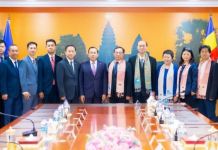
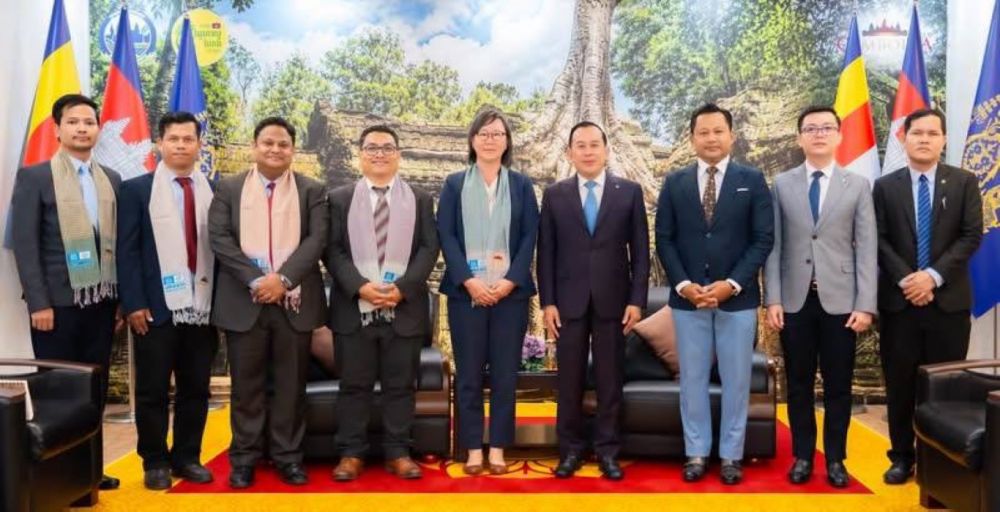
Phnom Penh. H.E. HUOT Hak, Minister of Tourism, granted an audience to Dr. Sang Lee, Regional Director for Southeast Asia of the World Wide Fund for Nature (WWF), and Mr. Janes Imanuel Ginting, Country Director of WWF-Cambodia, along with their colleagues, for a courtesy call and working discussion aimed at strengthening and expanding cooperation in community-based tourism, ecotourism, and sustainable development.
During the meeting, H.E. the Minister extended a warm welcome and expressed his high appreciation for WWF’s continued support for Cambodia’s tourism sector, particularly its contribution to promoting ecotourism and community-based tourism. He also congratulated Mr. Janes Imanuel Ginting on his appointment as Country Director of WWF-Cambodia.


H.E. the Minister briefed the delegation on the Royal Government of Cambodia’s strong commitment to the development of community-based tourism and ecotourism, including the adoption of the “National Ecotourism Policy 2019–2030,” the establishment of the National Committee for the Management and Development of Tourism Communities and Ecotourism, and the designation of 19 November each year for the organization of the “National Ecotourism Forum.
the Minister further emphasized that the development of community-based tourism and ecotourism not only contributes to the creation of new tourism products and the diversification of tourism destinations, but also serves as an important means of creating jobs, increasing income for local communities, reducing poverty and migration, and contributing to the conservation of natural resources and biodiversity. The Royal Government of Cambodia, particularly Samdech Moha Bovor Thipadei HUN Manet, Prime Minister of the Kingdom of Cambodia, has attached great importance to this sector.
H.E. the Minister also highlighted that the Ministry of Tourism has been strengthening the capacity of tourism and ecotourism communities through training in key skills, including hospitality, community tour guiding, barista skills, food and beverage preparation, community homestay management, and standards for forest-based adventure tourism. In 2025, the Ministry provided training to 24 communities, benefiting approximately 1,000 trainees. During the first half of 2026, training was provided to 13 communities, benefiting 700 trainees.
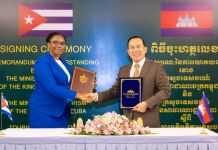
During the discussion, both sides exchanged views on strengthening their partnership and explored the possibility of developing a Memorandum of Understanding (MoU) between the Ministry of Tourism and WWF to establish a clearer and more effective framework for cooperation, particularly in the areas of community-based tourism, ecotourism, capacity building, and sustainable development.