TOKYO : Japan’s Hokuriku Electric Power, Hokkaido Electric Power and Shikoku Electric Power reported a combined loss of 134 billion yen (US$1 billion) for the 2022/23 financial year on Thursday, citing high fuel prices.
The trio are among seven utilities which requested hikes in electricity rates from April and June to offset high input costs and for funds to aid transition to renewable energy. The government, seeking to address a historically high rate of inflation, delayed the requests and asked to reassess costs.
Hokuriku Electric’s loss reached 88.45 billion yen in the year ended Mar 31, the deepest since it started disclosing earnings in 1994, and compared with a loss of 7 billion yen a year earlier.
Hokkaido Electric posted a loss of 22.2 billion yen from 7 billion yen profit a year prior, its first loss in nearly a decade, while Shikoku Electric reported a loss of 23 billion yen versus the previous year’s loss of 6.3 billion yen.
Hokuriku Electric earlier said revenue would take a hit of about 1.5 billion yen a month without the requested rate hikes.
Global energy prices have eased from peaks touched in the middle of last year after Russia’s invasion of Ukraine exacerbated a post-pandemic energy crisis.
Still, input costs are high and utilities also need to align with the government’s 2050 zero-emissions goal.
Pressure only increased this month after the Group of Seven rich nations – chaired by Japan this year – reaffirmed its goal to achieve a fully or predominantly decarbonised power sector by 2035 and pushed for major new renewable energy goals.
ជាក់ស្តែង ការខាតបង់របស់ក្រុមហ៊ុន Hokuriku Electric បានឈានដល់៨៨,៤៥ពាន់លានយ៉េនក្នុងឆ្នាំហិរញ្ញវត្ថុ ដែលបានបញ្ចប់នៅថ្ងៃទី៣១ ខែមីនា ដែលនេះជាចំនួនខាតដ៏ច្រើនបំផុត ចាប់តាំងពីក្រុមហ៊ុនបានចាប់ផ្តើមបង្ហាញពីប្រាក់ចំណូលក្នុងឆ្នាំ១៩៩៤។
ក្រុមហ៊ុន Hokkaido Electric បានប្រកាសពីការខាតបង់ចំនួន២២,២ពាន់លានយ៉េន ដែលជាការខាតបង់លើកដំបូងរបស់ខ្លួនក្នុងរយៈពេលជិតមួយទសវត្សរ៍ ខណៈដែលក្រុមហ៊ុន Shikoku Electric បានរាយការណ៍ពីការខាតបង់ចំនួន២៣ពាន់លានយ៉េន។
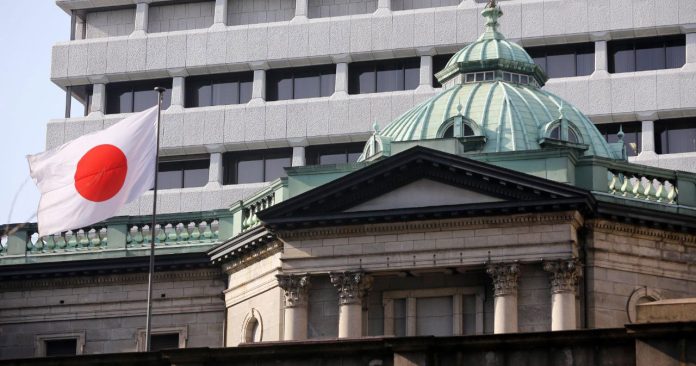
SINGAPORE : Asian stocks rallied on Friday as strong corporate earnings helped lift sentiment even as worries over economic weakness lingered, while investors were also waiting on a policy decision from the Bank of Japan.
MSCI’s broadest index of Asia-Pacific shares outside Japan was 0.94 per cent higher but remained on course to end the month 1.4 per cent lower. Japan’s Nikkei rose 0.51 per cent while Australia’s S&P/ASX 200 index gained 0.33 per cent.
U.S. stocks closed sharply higher on Thursday thanks to upbeat results from bellwether tech firms, with Meta Platforms Inc, Microsoft Corp and Alphabet Inc soaring after reporting results.
China shares eased, while Hong Kong’s Hang Seng index was 0.5 per cent higher. Geopolitical tensions along with worries over the global economic outlook have crimped investor sentiment in recent weeks.
Data overnight showed the U.S. economy slowed more than expected in the first quarter, even as price growth came in hotter than economists had projected.
Taylor Nugent, an economist at National Australia Bank, said the data showed “an unhappy combination” of softer-than-expected growth and stronger-than-expected prices increases in first quarter.
The core PCE data, one of the measures of inflation tracked by the Federal Reserve, caught markets’ attention, Nugent said.
The core PCE price index jumped at a 4.9 per cent rate after advancing at a 4.4 per cent pace in the prior quarter.
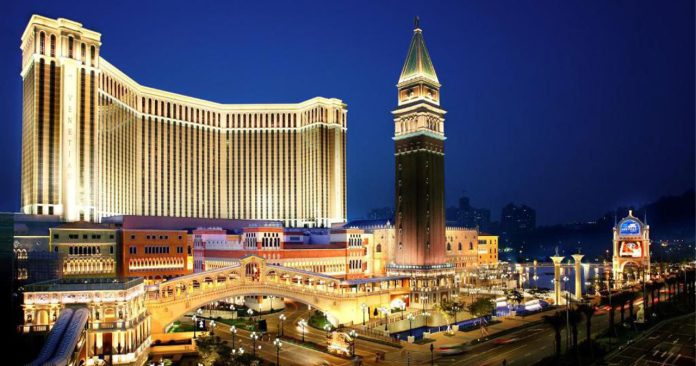
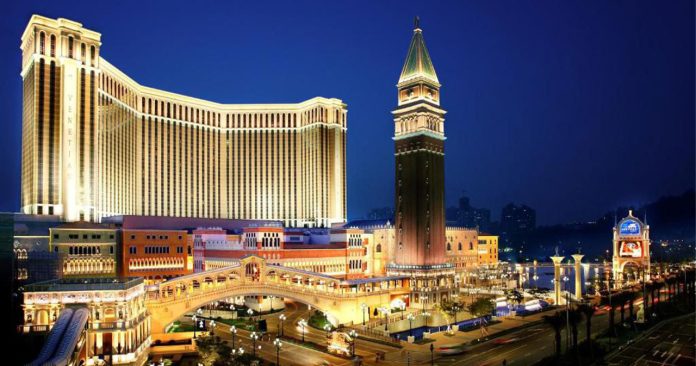
A total of 972,000 guests checked in Macao’s hotel establishments in March, leaping 164.4 percent year on year, the Macao Special Administrative Region’s (SAR) statistics department said on Thursday.
The latest report from the Statistics and Census Service showed that guests from the Chinese mainland and the Hong Kong Special Administrative Region jumped by 156.9 percent and 933.7 percent year on year to 694,000 and 186,000,
respectively.
The average occupancy rate of guest rooms in March rose by 46.3 percentage points year on year to 77.0 percent, showed the report.
The number of visitors arriving on package tours totaled 93,000 in March. Meanwhile, a total of 30,000 Macao residents purchased outbound services through travel agencies, an uplift of 892.6 percent year on year.
A total of 126 hotel establishments offered accommodation services to the public in March, an increase of six year on year.
Besides, the number of available guest rooms grew by 0.7 percent to 39,000, showed the report.